United Capital Plc is a leading Pan-African financial services institution focused on leveraging technology to empower businesses, individuals and governments with excellent financial services
United Capital’s Investor Relations function is committed to upholding best practices in corporate disclosure, delivering clarity and consistency to investors and financial partners.
Explore our Knowledge Center to access mutual fund fact sheets, read expert insights on our blog, and stay informed with the latest press releases and market updates.
Knowing Good Debt from Bad Debt: Can You Borrow to Invest?
Most of us were raised on one simple rule: avoid debt. It is sound advice, but it is not the whole story.
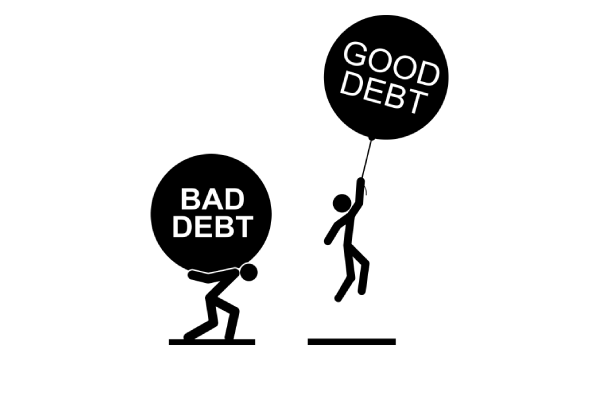
Debt that funds a holiday or a new phone leaves you paying for something long gone. Debt that buys an asset capable of growing in value or earning income works differently. That is the line between bad debt and good debt.
What makes debt “good”?
Good debt is used deliberately, to acquire something with the potential to create value. A mortgage is the classic example: you take on an obligation, but the property may appreciate or earn rent over time.
Borrowing to invest follows the same logic, with one important difference. Investment returns are never guaranteed. Prices rise and fall, markets shift, and returns can take longer than expected. The loan, however, must still be repaid.
The real question
So the question is not “Can I borrow to invest?” It is “Can I comfortably carry this obligation, even if the investment underperforms?”
Before you borrow, weigh four things: your income and cash flow, the cost of the financing, the risk of the investment, and the repayment period. Above all, never build your repayment plan around a return that has not yet happened.
When opportunity arrives before the cash
This question is especially relevant now. The Dangote Refinery IPO is open at ₦525 per share, with a minimum subscription of 10 shares (₦5,250), and closes on October 13, 2026.
You may see the opportunity and have some capital ready, but not enough for the position you want. You can wait, sell another investment, or explore financing.
How UC Invest can help
UC Invest lets you buy more shares than your available cash allows. You contribute part of the investment, and United Capital finances the balance, subject to approved terms and margin limits. The shares you buy serve as collateral, and the facility is open to both new and existing investors.
Remember that borrowing amplifies outcomes in both directions. If share prices fall, your repayment obligation remains, and losses relative to your own capital can be larger. Financing should support a sound investment decision, never replace one.
The question that matters most
Debt is neither good nor bad on its own. What matters is what it helps you achieve and whether you can carry it responsibly.
So before you borrow to invest, ask yourself: if this investment does not perform as I expect, can I still afford the decision I have made?
If the answer is yes, you are using debt as a tool, not a shortcut.