Every few months, the Monetary Policy Committee (MPC) of the Central Bank of Nigeria announces a decision that dominates financial headlines. Sometimes interest rates go up. Sometimes they come down. Other times, like at its most recent meeting, the Committee decides to keep them unchanged.
For many people, these announcements can feel like news meant for economists or financial analysts. In reality, they affect businesses, investors, governments and everyday Nigerians alike.
MPC decisions influence how companies raise capital, how governments finance infrastructure projects, where investors choose to put their money and how quickly the economy can grow.
Understanding these decisions is not just about keeping up with financial news. It is about understanding the forces shaping the economy and the decisions organisations make every day.
What Exactly Did the MPC Decide?
At its July 2026 meeting, the Central Bank of Nigeria’s Monetary Policy Committee retained the Monetary Policy Rate (MPR) at 26.5%, while leaving other key policy parameters unchanged.
The decision reflects a cautious approach. Although inflation has shown signs of easing, the Committee noted that global economic uncertainty, including geopolitical tensions and the possibility of higher energy prices, continues to pose risks to price stability. By maintaining the current rate, the Central Bank aims to preserve recent gains in controlling inflation while monitoring how economic conditions evolve.
While this may sound like a technical policy decision, its impact extends well beyond the Central Bank.
Every Interest Rate Decision Creates a Ripple Effect
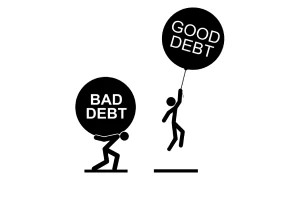
Interest rates determine the cost of borrowing. When rates remain high, loans become more expensive. Businesses think more carefully before borrowing, consumers become more deliberate about spending and investors begin to reassess where they can earn the best returns.
The effect goes beyond individual finances. It influences the decisions organisations make about expansion, investment and long term growth.
Consider a company planning to build a new manufacturing facility, expand into another market or acquire another business. Think about a state government looking to finance a major road, healthcare facility or power project. Each of these plans requires capital, but the best way to raise that capital depends largely on the prevailing economic environment.
When interest rates are high, organisations often look beyond traditional bank lending. They may consider issuing corporate bonds, commercial papers, equity offerings or other structured financing solutions that are better suited to prevailing market conditions.
We are here to help businesses, institutions and governments evaluate the financing options available, determine the most suitable funding strategy and access capital efficiently. In other words, monetary policy does not just influence the cost of borrowing. It also influences how capital moves across the economy.
Navigating Growth in a Changing Economy
Economic reforms are often discussed in terms of inflation, exchange rates and interest rates. Yet, their real impact is seen in the decisions businesses make, the projects governments are able to finance, the investment choices people make and the overall direction of the economy.
For organisations operating in this environment, responding to change requires more than simply reacting to market conditions. It requires understanding what those changes mean, identifying the opportunities they create and making well informed financial decisions.
Investment banking supports that process by helping organisations raise capital, structure financing solutions and execute strategic transactions that align with their long term objectives.
At United Capital, we believe sustainable growth starts with informed decision making. As Nigeria’s economy continues to evolve, understanding how monetary policy shapes the investment landscape can help businesses and institutions position themselves for long term success.